
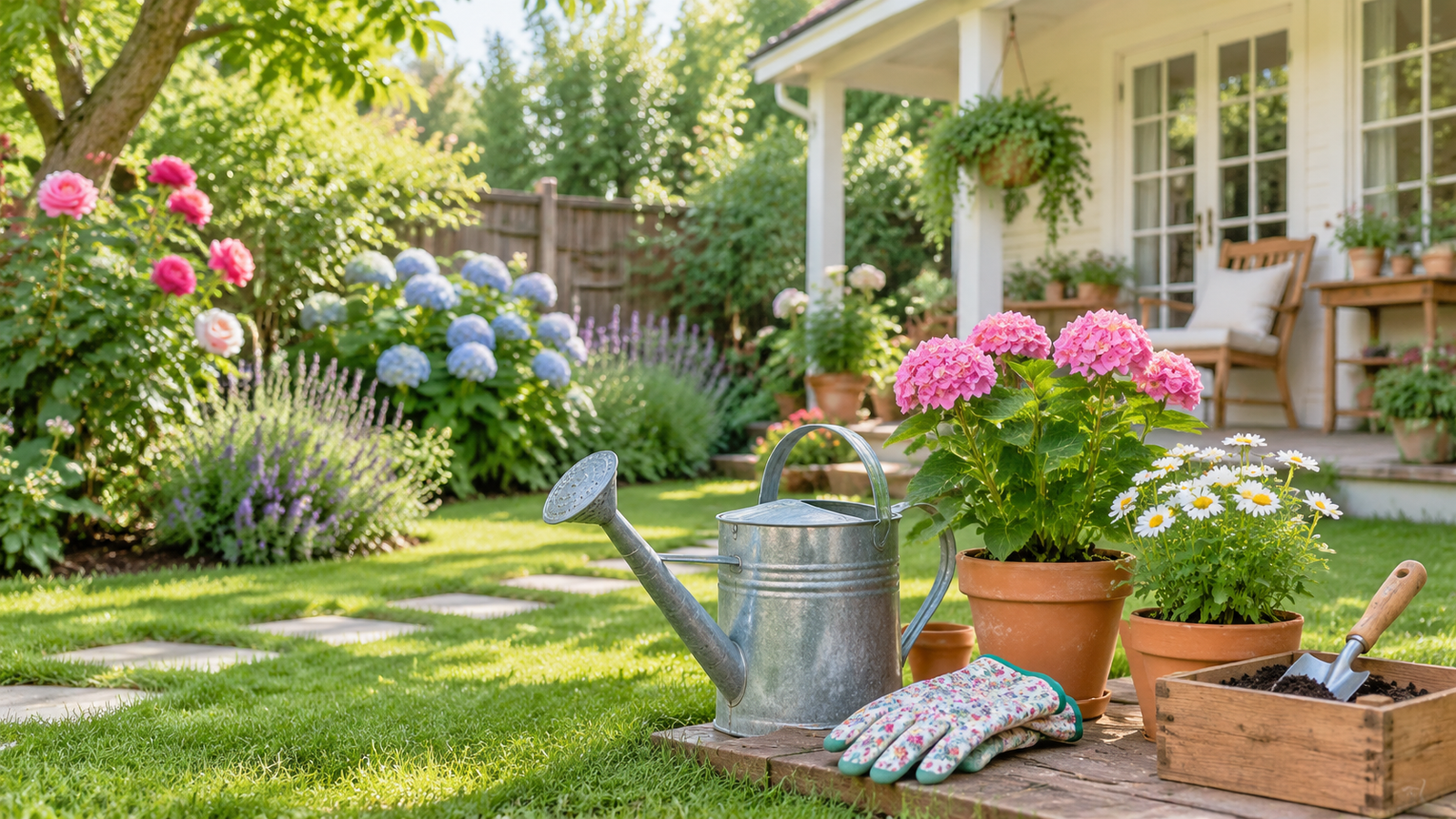
Regular maintenance makes a healthy home easier to sustain
A healthy home is not created through an occasional burst of deep cleaning. It develops through small maintenance tasks that keep air, water, food areas, household surfaces, and outdoor spaces in dependable condition. When these systems receive attention before problems become obvious, the home is easier to manage and more pleasant to live in.
This approach also supports simple healthy living because it reduces the number of decisions required each day. A clear kitchen counter makes meal preparation easier. A dry bathroom is less likely to develop persistent odors or visible mold. A maintained path invites you to step outside without navigating weeds, slippery growth, or scattered tools. The condition of the space quietly influences the choices made within it.
Longevity matters too. Promptly drying wet surfaces, cleaning appliance filters, sharpening garden tools, and noticing minor leaks can extend the useful life of household materials. Maintenance does not need to consume every weekend. A short routine, repeated consistently, is usually more effective than waiting until the work becomes urgent.
A weekly reset prevents dirt and clutter from becoming larger problems
A weekly home reset should focus on the areas that affect daily health and function. Start with floors, frequently touched surfaces, food preparation zones, and bathroom fixtures. Remove dust with a damp cloth or a well-contained vacuum rather than moving it back into the air. Clean from higher surfaces to lower ones so settled debris is collected at the end.
Use the reset to inspect, not merely clean. Look beneath sinks for moisture, check produce for spoilage, empty standing water from outdoor containers, and make sure air vents are not blocked by furniture or stored items. Wash reusable cleaning cloths thoroughly and allow brushes and sponges to dry between uses. Damp cleaning tools can develop odors and spread residue instead of removing it.
Clutter control belongs in this routine because crowded surfaces are harder to clean. Give frequently used objects a practical home near the place where they are used. Items that are broken, expired, or no longer useful should leave the active living area. These basic healthy home habits protect usable space without turning organization into a separate project.
Moisture control protects indoor air and building materials
Water is essential in a home and garden, but uncontrolled moisture is one of the fastest ways to damage finishes, cabinets, walls, and stored belongings. It can also create conditions in which mold and dust mites thrive. The goal is not to make the home excessively dry. It is to prevent dampness from lingering where it does not belong.
Ventilation should follow everyday sources of humidity
Run bathroom ventilation during showers and leave it operating long enough to clear lingering steam. Use kitchen ventilation when boiling water or cooking foods that release considerable moisture. When outdoor conditions are suitable, opening windows on opposite sides of the home can create cross-ventilation and clear stale air more effectively than opening a single window.
Keep supply and return vents unobstructed, and clean accessible grilles when dust collects. Heating, cooling, and ventilation filters should be inspected according to the equipment instructions and replaced or cleaned when loaded. A filter that looks heavily coated should not remain in service simply because a calendar date has not arrived.
Small leaks require immediate attention
Check pipe joints, toilet bases, washing areas, window frames, and the cabinet beneath each sink. Discoloration, swollen wood, peeling finishes, and musty odors can indicate recurring moisture even when no drip is visible. Dry the area, identify the source, and arrange repair promptly if the cause is not simple or accessible.
Outside, keep roof drainage routes clear and direct water away from the foundation. Soil should not remain piled against vulnerable siding or cover drainage openings. After heavy rain, walk around the property and note where water collects. Repeated pooling is a maintenance signal, not just a temporary inconvenience.
Kitchen upkeep keeps nourishing food practical and safe
Wellness at home depends partly on whether the kitchen makes everyday food preparation realistic. Keep one clear work area available instead of allowing mail, tools, or rarely used equipment to occupy every surface. Clean spills promptly, especially around handles, seals, and the edges of appliances where residue can accumulate unnoticed.
Food storage needs a regular rotation
Once a week, inspect refrigerated produce and use the most perishable items first. Store newer groceries behind older ones when appropriate. Wipe spills as soon as they happen and discard food showing spoilage rather than allowing it to affect nearby items. Avoid packing the refrigerator so tightly that cold air cannot circulate.
Dry foods last best in clean, dry containers with secure closures. Marking the purchase or opening date can help when memory is uncertain. Check storage areas for moisture, damaged packaging, or signs of insects, and clean crumbs from shelves and corners before returning food.
Cutting surfaces and tools should be maintained, not merely washed
Wash food-contact tools after use and let them dry fully before storage. Replace deeply damaged cutting surfaces that can no longer be cleaned effectively. Keep knives sharp because a predictable blade requires less force than a dull one, though sharpening and storage should always be handled carefully.
Periodically clean refrigerator door seals, inspect appliance cords for damage, and remove grease from accessible ventilation areas. These tasks support cleanliness while helping equipment operate reliably for longer.
Garden care supports movement while preserving soil and tools
A home garden can contribute fresh herbs, vegetables, time outdoors, and gentle physical activity, but it remains beneficial only when the workload is manageable. Choose a growing area that matches the time and mobility available. A smaller, consistently maintained plot usually produces better results than a large area that becomes exhausting halfway through the season.
Healthy soil improves resilience over time
Add finished compost or other suitable organic matter according to the needs of the soil rather than constantly disturbing it. Mulch can reduce evaporation, moderate soil temperature, and limit weeds, but it should not be packed against plant stems or building materials. Rotate annual crops where space permits and remove diseased plant material instead of mixing it into ordinary garden debris.
Water deeply enough to reach the root zone, then allow conditions to guide the next watering. Shallow, automatic daily watering can encourage roots to remain near the surface. Watering near the soil rather than routinely soaking leaves also helps limit unnecessary moisture on foliage.
Tool maintenance protects both the gardener and the equipment
Brush soil from tools after use and dry metal parts before storage. Sharpen cutting edges when they begin crushing rather than cutting cleanly. Inspect handles for cracks, rough sections, or loose connections, and address corrosion early. Store tools under cover so rain and strong sunlight do not shorten their working life.
Use body-friendly work patterns as part of maintenance. Alternate tasks, carry smaller loads, and keep frequently used tools within easy reach. Raised growing areas or stable seating can reduce repeated bending. Gardening should support everyday wellness, not create a cycle of overexertion followed by long recovery.
A seasonal schedule keeps maintenance realistic
Dividing work by season prevents a long list from competing with daily life. At the start of each season, inspect the home exterior, drainage routes, window and door seals, ventilation filters, stored food, garden structures, and tools. Record anything that needs monitoring or repair. A short written list is more reliable than trying to remember a faint stain or loose handle weeks later.
In warmer periods, focus on ventilation, insect entry points, irrigation, outdoor shade, and food storage. During wetter weather, watch for leaks, slow drainage, damp textiles, and muddy pathways. Before colder conditions, protect exposed water systems as appropriate for the climate, put away weather-sensitive tools, and check that heating equipment has clear airflow.
Some tasks are best assigned to qualified professionals, particularly work involving structural damage, extensive mold, electrical faults, gas systems, unstable trees, or inaccessible heights. Knowing when not to improvise is part of responsible maintenance. Keep records of major repairs and equipment servicing so recurring issues and useful dates are easy to identify.
Frequently asked questions
What mistakes should I avoid?
Avoid waiting for visible damage before investigating odors, dampness, drainage changes, or appliance problems. Do not mix cleaning substances unless their instructions explicitly permit it, and never sacrifice safe lifting, stable footing, or ventilation just to finish a task quickly.
How often should this be refreshed or maintained?
Handle spills, standing water, and food residue immediately; complete basic cleaning and inspection weekly; and review larger home and garden systems each season. Equipment instructions, local climate, occupancy, and the condition of the property may require a different schedule.
What should beginners start with?
Begin with a weekly 30-minute inspection of the kitchen, bathroom, indoor air vents, and garden entry area. Choose a few repeatable actions, such as clearing one food-preparation surface, checking beneath sinks, rotating produce, and cleaning garden tools after use.
How do I choose quality on a budget?
Prioritize durable, repairable tools and simple materials suited to the actual task rather than buying large sets. Inspect construction, comfortable handling, replaceable parts, and care requirements, then maintain what you own so it delivers a longer useful life.