
The True Cost of Studio Pilates Versus Home Ownership
Committing to a regular studio schedule requires both discipline and a flexible budget. Monthly memberships often range from one hundred fifty to three hundred dollars, depending on your location and class frequency. Over twelve months, these recurring fees quickly accumulate into a substantial financial investment. Adopting wellness at home fundamentally alters this equation by eliminating per-class overhead.
Investing in your physical health demands careful financial planning. When evaluating long-term expenses, you must weigh the price of drop-in rates, peak-hour surcharges, and travel costs against a single equipment purchase. Choosing a dedicated home apparatus shifts your spending from an endless subscription model to a one-time acquisition.
Establishing sustainable routines often begins with removing logistical barriers. Commuting to a studio during rush hour can derail even the best intentions for simple healthy living. Having equipment directly in your living space makes daily practice far more attainable.
Upfront Investment Breakdown for the Sensol FLEX AIR
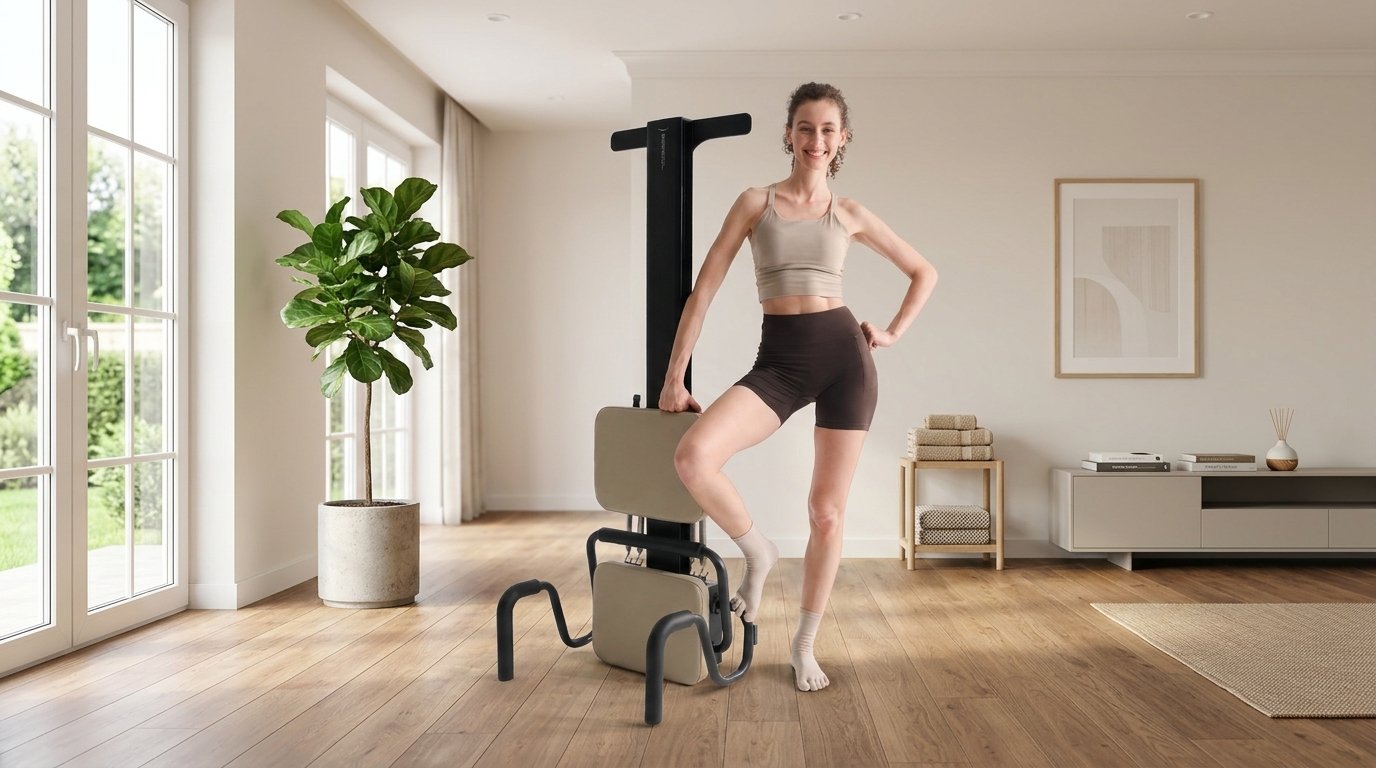
The Sensol FLEX AIR is priced at 699.00 USD. This straightforward price point includes the complete reformer build without hidden subscription fees or mandatory software add-ons. When comparing this single cost to commercial studio alternatives, the math becomes remarkably clear.
If a typical boutique studio charges roughly two hundred dollars per month, your annual expenditure reaches twenty-four hundred dollars. Purchasing the Sensol FLEX AIR at 699.00 means you recover your entire financial outlay in less than four months of standard studio use. For the remaining eight months of the year, your daily practice incurs zero additional marginal cost.
Beyond direct membership savings, owning your gear removes secondary expenses like parking, gas, and specialized grip socks sold exclusively at boutique front desks. These minor costs accumulate quietly over a year, making a home reformer an economically sensible choice for dedicated practitioners.
Integrating Daily Movement into Your Residential Space
Building consistency requires routines that fit seamlessly into your existing environment. According to guidance on healthy lifestyle habits from the Cleveland Clinic, integrating simple movement into your daily schedule significantly improves long-term well-being. Having immediate access to a reformer removes the friction of travel and scheduling.
Morning routines become far more efficient when your workout station is just steps away from your bedroom. You can complete a targeted session before starting your workday without worrying about traffic or class capacity limits. This efficiency supports the principles outlined in a healthy living guide focused on sustainable daily actions.
Your living space transforms into a dedicated movement studio whenever you need it. Practicing in a familiar environment allows you to focus entirely on form and breath without external distractions. Over time, these private sessions foster a deeper connection to your physical practice.
Evaluating Long-Term Value and Sustainability
Equipment durability plays a major role in calculating true value over time. A machine that requires frequent repairs or replacement parts can quickly negate its initial savings. Selecting a well-built reformer ensures your investment continues to pay dividends across multiple years of regular use.
Research into maintaining a healthy lifestyle emphasizes the importance of consistency over intensity. Having reliable, high-quality tools at home makes it easier to sustain your physical habits through changing seasons and busy schedules. Your home becomes a permanent hub for personal vitality.
Financial commitments should always align with your actual lifestyle patterns. If you attend classes five days a week and genuinely value the social aspect of a studio, a home setup might supplement rather than replace your routine. However, if your attendance fluctuates due to scheduling conflicts, bringing your practice home offers unmatched financial and practical efficiency.
Who the Sensol FLEX AIR Is Not For
Transparency is essential when purchasing fitness equipment. The Sensol FLEX AIR is not designed for heavy commercial studio environments where dozens of different users adjust the carriage daily. It is engineered specifically for residential use and individual or household practice.
Users who require heavy commercial-grade weight stacks or oversized wooden reformer frames will find this model too compact for their preferences. If you live in an extremely cramped studio apartment with zero floor space to spare, even a streamlined home reformer may feel intrusive. Measure your room carefully before committing to any large fitness apparatus.
Finally, if you have no interest in solo training and rely entirely on a live instructor shouting corrections across a crowded room, a home machine may sit neglected. True home fitness requires self-motivation and a willingness to follow guided video programs or self-directed routines.
Where to Buy
For United States customers (USD pricing, US shipping): Sensol FLEX AIR at the official Sensol store — US store
Frequently Asked Questions
What mistakes should I avoid?
Avoid rushing through movements without establishing proper core engagement and breath control first. Neglecting to check the carriage tracks and resistance attachments before every session is another common oversight. Always verify that your equipment is stable and clear of debris prior to starting.
How often should this be refreshed or maintained?
Perform a quick inspection of the carriage wheels, springs, and straps on a monthly basis. Wipe down the vinyl surfaces after every use with a gentle, non-abrasive cleaner to preserve the material. Regular upkeep ensures smooth gliding action and extends the lifespan of your reformer.
How do I choose quality on a budget?
Look for transparent pricing that clearly states what is included without hidden subscription traps or mandatory app fees. Focus on core structural integrity, clear weight capacity ratings, and reputable brand backing. Avoid excessively cheap models that compromise on frame stability or spring safety.
What should beginners start with?
Beginners should start with foundational footwork series and basic pelvic stability movements to master the carriage resistance. Focus entirely on controlled, deliberate pacing rather than high repetition counts or heavy spring loads. Establishing proper form early on prevents strain and builds a strong foundation for advanced sequences.
The Sensol FLEX AIR cost breakdown really puts those recurring studio Pilates memberships into perspective. I hadn’t realized how quickly the annual class fees add up.
The Sensol FLEX AIR cost breakdown makes the long-term difference between studio Pilates and home ownership much easier to see. I hadn’t really considered how quickly monthly memberships can add up.