
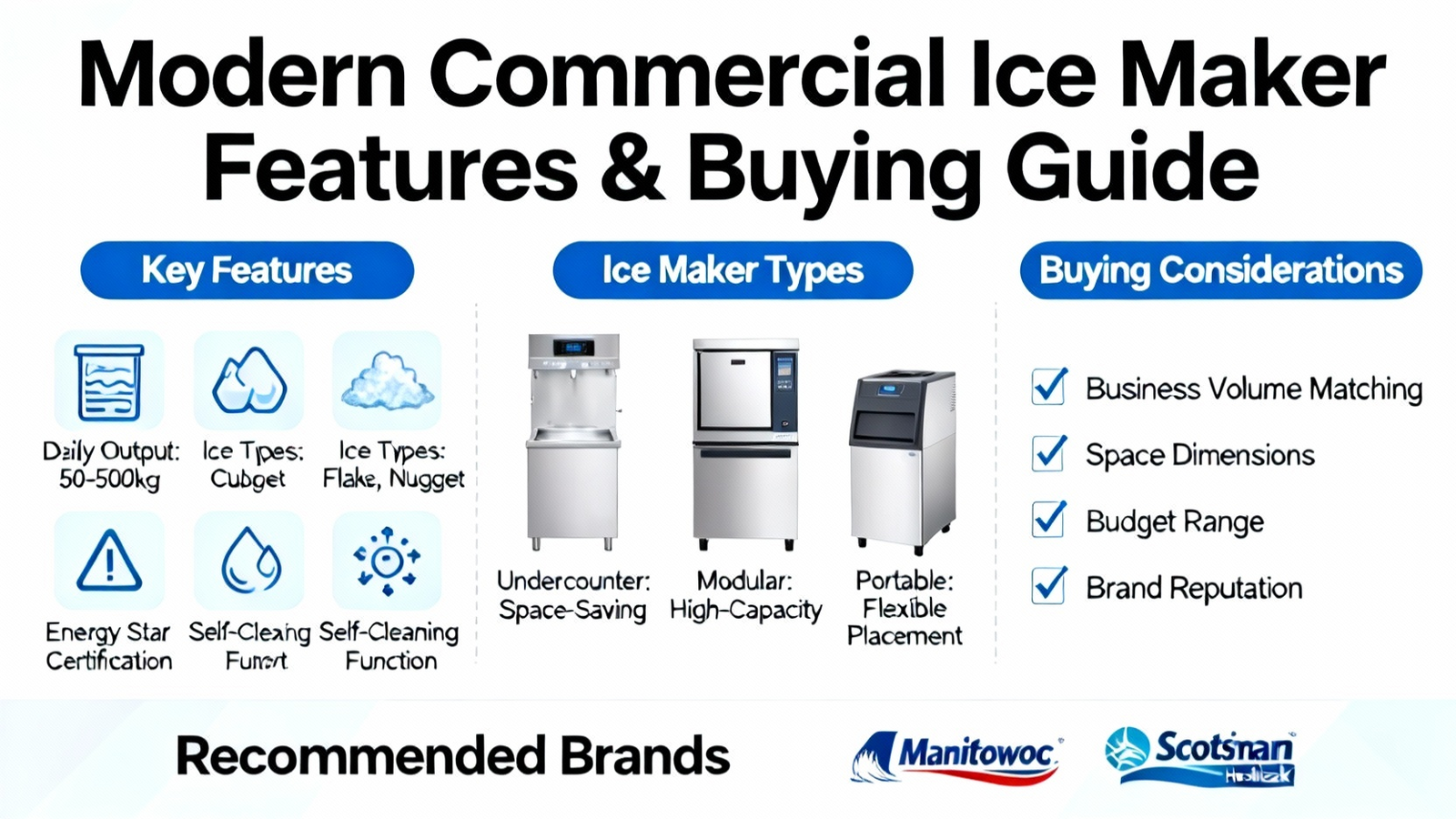
Unlocking Commercial-Grade Ice Production: A Deep Dive into Modern Ice Maker Features
For bars, cafes, and restaurants, a reliable ice maker is a cornerstone of daily operations. Modern commercial units like the TITTLA 100Lbs/24H Commercial Ice Maker combine robust output with user-centric features. This article explores the critical aspects—from water filtration and operational efficiency to hygienic design and commercial suitability—that define a high-performance ice machine, ensuring you understand the technology behind the ice.
The Critical Role of Advanced Water Filtration
Water quality is the single greatest factor determining ice clarity, taste, and equipment longevity. Tap water contains minerals and impurities that can cloud ice, impart off-flavors, and cause scale buildup inside the machine. A high-efficiency integrated water filter, as noted in the product specifications, directly addresses this by converting tap water into purified water for freezing. This is not just a convenience feature; it’s a maintenance essential. Scale buildup from hard water is a primary cause of reduced efficiency and mechanical failure in ice makers, a point often echoed in appliance maintenance discussions. By ensuring pure water input, the filter protects the compressor and evaporator, supporting the machine’s claimed high efficiency and low energy consumption over time.
Engineered for Operational Simplicity and Hygiene
Commercial environments demand equipment that is both easy to operate and simple to maintain. An intuitive LCD control panel centralizes functions like automatic cleaning cycles, defrosting, and ice thickness adjustment. The auto-clean function is particularly vital, as regular descaling and sanitization are non-negotiable for food safety. According to food safety guidelines, ice is considered a food product, and equipment must be cleaned to prevent bacterial contamination. Features like a removable water channel and a drain pipe for meltwater directly support this hygienic imperative. Furthermore, the inclusion of an ice scoop, rather than encouraging hand-scooping, promotes proper hygiene, a practice emphasized in food service training to prevent cross-contamination.
Durable Construction and Commercial-Grade Performance
The durability of a commercial ice maker hinges on its core components and build material. The use of a stainless steel exterior, as highlighted in the product description, is standard for commercial kitchens due to its corrosion resistance, durability, and ease of cleaning. At the heart of performance is the compressor. The specification of a 495W imported compressor capable of producing 100 lbs of ice in 24 hours speaks to a focus on speed and consistent output. This capacity must be paired with proper storage; the 24-lb insulated bin with a thick layer helps reduce melt rate. It’s important to note, as the specifications do, that these are ice makers, not refrigerators, and ice for long-term storage should be transferred to a freezer to maintain the machine’s production cycle—a key operational detail for maximizing daily output.
Meeting the Demands of Diverse Commercial Settings
The true test of a commercial appliance is its adaptability across various venues. A machine like the stainless steel ice maker is designed for versatility, fitting into bars, cafes, canteens, and restaurants. Features like a front observation window with interior lighting are practical for monitoring ice levels during service. The freestanding or built-in installation flexibility allows it to integrate into different kitchen layouts. In online forums like Reddit, business owners frequently discuss the importance of reliable, high-volume ice production for customer satisfaction and operational flow, especially during peak hours. A machine that can produce 45 cubes in 12-15 minutes directly addresses this need for rapid replenishment, ensuring service is never halted by an ice shortage.
Conclusion: The Integrated Solution for Reliable Ice Production
Selecting a commercial ice maker requires looking beyond simple output numbers to the integrated system that ensures consistent, clean, and efficient operation. As we’ve explored, the journey begins with superior water filtration, which safeguards ice quality and protects the machine’s vital components from scale. Operational features like automated cleaning and intuitive controls translate complex maintenance into manageable, routine tasks, directly supporting food safety standards. The foundation of stainless steel construction and a robust compressor provides the durability and power needed for the high-demand environment of a food service business. Finally, the design’s adaptability—from its visual monitoring features to its installation options—makes it a viable solution across a spectrum of commercial settings. Therefore, a machine like the TITTLA Commercial Ice Maker Machine represents more than an appliance; it is a calculated investment in operational efficiency, product quality, and ultimately, customer satisfaction, addressing the core needs of a commercial operation from every angle.
This buying guide really highlights why features like those in the TITTLA model are so crucial for a busy restaurant’s daily operations.
\}}
This buying guide really highlights how crucial a reliable commercial ice maker is for keeping a busy bar or restaurant running smoothly.
\}}
This buying guide really highlights why features like those in the TITTLA model are so crucial for a busy restaurant’s daily operations.
\}}