
Choosing the right wine refrigerator is crucial for preserving your collection’s integrity and flavor. This article explores the essential features of modern wine coolers, focusing on a popular 15-inch dual-zone model. We’ll delve into temperature management, vibration control, and design, using expert insights to explain why these elements are non-negotiable for serious enthusiasts.
The Science of Dual-Zone Temperature Control
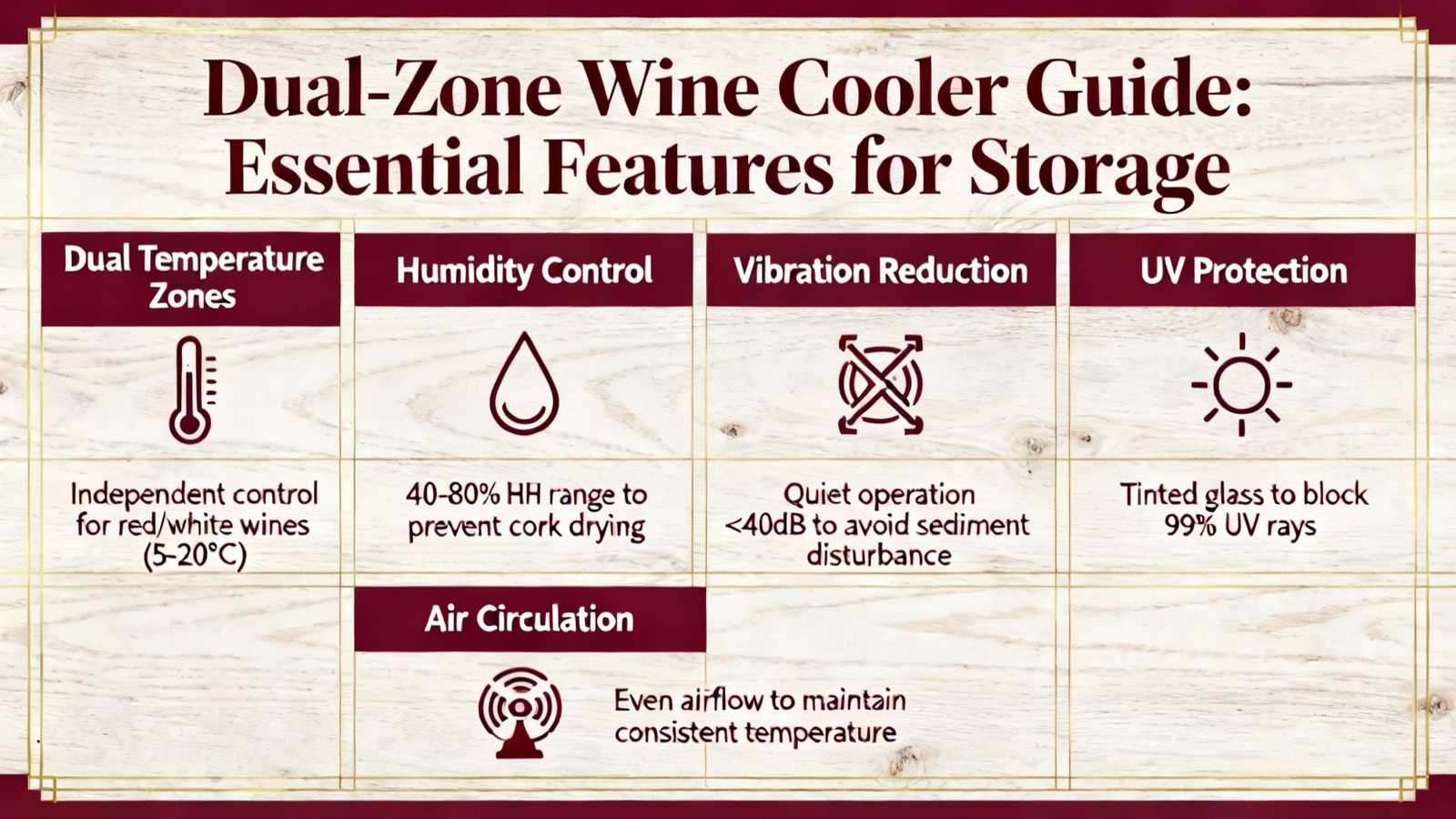
Effective wine storage hinges on precise temperature and humidity. The 15″ dual zone wine cooler addresses this by offering two independent climate zones. This is vital because different wines mature best at different temperatures. As noted in discussions among collectors, a common recommendation is storing reds around 55°F (12-13°C) and whites closer to 45°F (7°C), which aligns with the zones (41-56°F and 56-65°F) in this model. Wikipedia’s entry on wine cellars confirms that stable, cool temperatures slow aging and prevent chemical degradation, making a dual-zone system a versatile solution for a mixed collection.
Preserving Quality: Vibration Dampening and UV Protection
Beyond temperature, two silent enemies of wine are vibration and light. Excessive vibration can disturb the sediment and potentially accelerate aging, a point often emphasized by experts on forums like r/wine. Compressor-based coolers with stabilized feet, like the model discussed, are engineered to minimize this. Furthermore, ultraviolet light can cause “light strike,” damaging wine’s aroma and taste. Double-paned, UV-resistant glass doors are not just a design choice; they are a functional barrier, shielding your investment from this insidious form of spoilage.
Intelligent Design for Convenience and Security
Modern wine refrigerators integrate smart features for user peace of mind. Temperature memory functions ensure settings are maintained after a power interruption, preventing thermal shock to your bottles. Adjustable LED lighting offers visibility without generating heat, while safety locks provide security for valuable collections. These features, combined with versatile freestanding or built-in installation, make an under counter wine cooler a practical addition to any kitchen, bar, or dining area.
Capacity and Construction for the Real-World Collector
The advertised 30-bottle capacity is designed around standard Bordeaux bottles. However, real collections vary. The inclusion of removable, sturdy wooden shelves is a critical detail, allowing flexibility for larger-format or uniquely shaped bottles. This adaptability, coupled with corrosion-resistant materials, ensures the unit protects your wine physically and chemically. As one Reddit user in r/winestorage highlighted, wooden shelves are often preferred for their grip and minimal bottle slippage, directly contributing to safer storage.
In summary, selecting a wine refrigerator requires careful consideration of features that directly impact preservation. As we’ve explored, a model like the TITTLA 15-inch dual-zone cooler succeeds by addressing the core principles of wine science: stable, separated temperature zones for different varietals, advanced vibration suppression from its compressor system, and UV-blocking construction. The convenience of smart controls, adaptable shelving, and a quiet operational profile makes it a compelling solution. Whether you’re a budding enthusiast or a seasoned collector, investing in a cooler that incorporates these evidence-based features—validated by community discussions and authoritative resources—is an investment in enjoying every bottle at its intended peak. Ultimately, a quality wine refrigerator is more than an appliance; it’s a dedicated environment that honors the craftsmanship in every bottle.
Great guide on the essential features for a dual-zone wine cooler; temperature control really is the key to preserving a collection properly.
\}}
Great guide on the essential features for a dual-zone wine cooler; temperature control really is the key to preserving a collection properly.
\}}
Great guide on the essential features for a dual-zone wine cooler; temperature control really is the key to preserving a collection properly.
\}}
This dual-zone wine cooler guide perfectly highlights why temperature management is so essential for any serious collection.
\}}
This dual-zone wine cooler guide perfectly highlights why temperature management is so essential for any serious collection.
\}}
Great guide on the essential features of a dual-zone wine cooler for proper storage.
\}}