
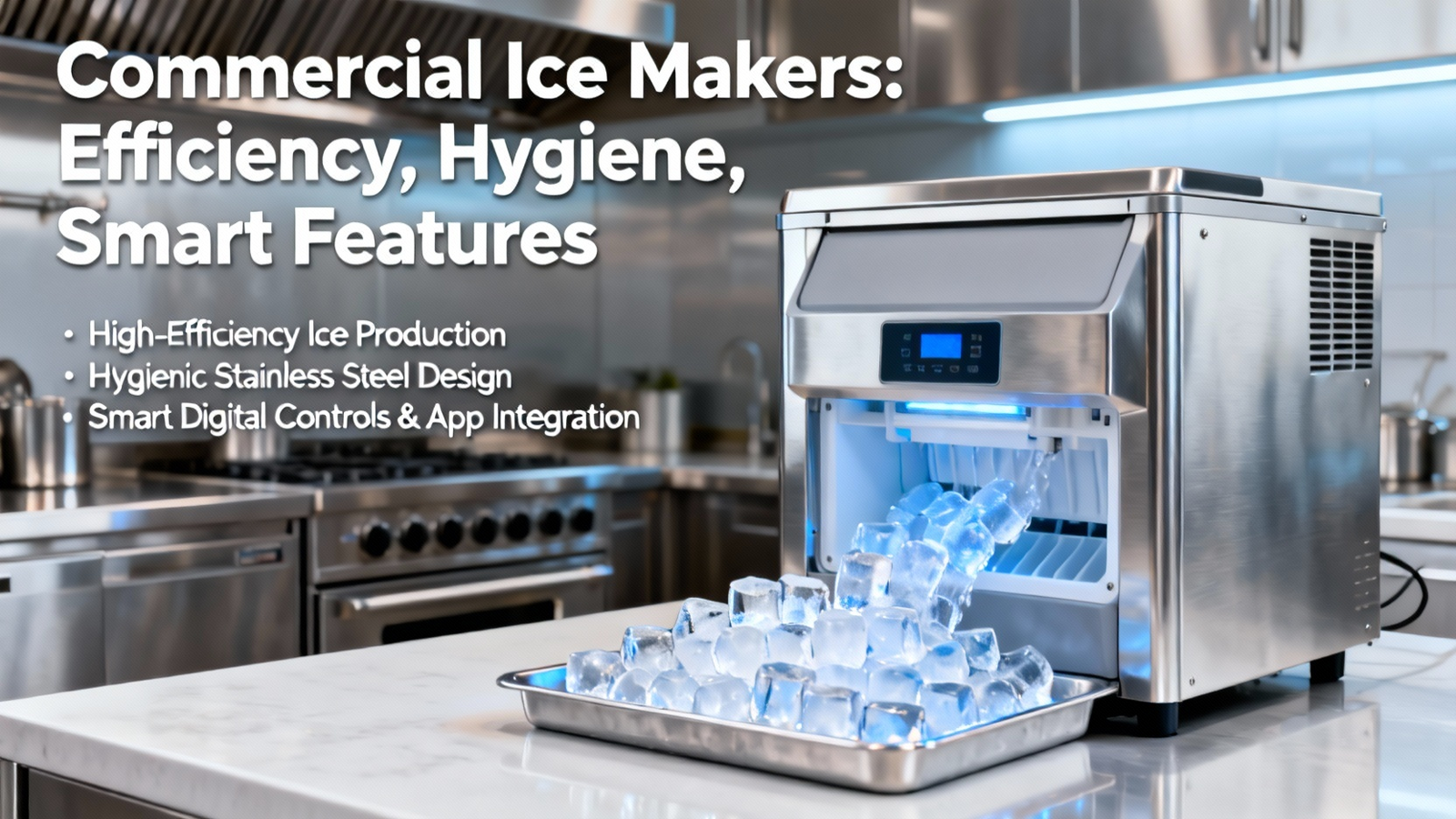
Maximizing Efficiency and Hygiene: The Ultimate Guide to Commercial Ice Makers
For bars, restaurants, and cafes, a reliable ice machine is a cornerstone of daily operations. This guide delves into the critical features of modern commercial ice makers, focusing on performance, hygiene, and operational intelligence. We’ll explore how advanced filtration, smart automation, and robust design converge to meet the demanding needs of the foodservice industry, ensuring both product quality and operational ease.
The Critical Role of Water Filtration in Ice Quality
Water quality is the single greatest factor determining the clarity, taste, and purity of ice. Tap water contains minerals like calcium and chlorine, which can lead to cloudy, off-tasting ice and scale buildup inside the machine. A high-efficiency water filter is not an accessory but a necessity. As noted in discussions on water treatment, effective filtration removes impurities and dissolved solids, directly impacting the final product. For a machine like the TITTLA commercial ice maker, this built-in filtration system ensures that the 100 lbs of ice produced daily are made from purified water, protecting the machine’s internal components and guaranteeing the ice is suitable for direct consumption in beverages.
Automation and Hygiene: The Self-Cleaning Advantage
Manual cleaning is a tedious and often neglected task, leading to biofilm formation and bacterial contamination. The auto-clean function in contemporary ice makers addresses this critical pain point. This automated cycle uses cleaning solutions to sanitize the water distribution system and evaporator plate. The importance of this is underscored by food safety guidelines, which emphasize regular sanitation of all food contact surfaces. A Reddit user in the /r/KitchenConfidential subreddit (a forum for food service professionals) once highlighted the perils of a dirty ice machine, stating it’s often the “most overlooked piece of equipment” in terms of cleaning (specific post dates vary, but the sentiment is a consistent theme in industry discussions). Features like removable water channels and automatic cleaning cycles are essential for maintaining NSF (National Sanitation Foundation) standards and ensuring safe, clean ice production.
Engineering for Commercial Demands: Capacity and Durability
Commercial environments require equipment built for endurance and high output. Key specifications include a robust compressor for rapid ice production and a stainless steel construction. Stainless steel, as detailed on Wikipedia for its material properties, is favored for its corrosion resistance, hygienic surface, and structural strength. A machine producing 45 cubes in 12-15 minutes and 100 lbs per day, like the TITTLA ice machine, must pair this output with a durable housing. The 24 lbs storage bin with thick insulation is equally crucial, balancing immediate availability with reduced meltage. Furthermore, practical additions like a drain pipe to evacuate meltwater and an ice scoop (to prevent hand contact with ice) are not mere accessories but vital components for operational efficiency and food safety compliance.
Operational Intelligence and User-Centric Design
Beyond raw power, intelligent design streamlines operation. An intuitive LCD control panel with clear indicators for ice production, bin status, and maintenance alerts empowers staff. The ability to adjust ice thickness is vital for different applications—thicker cubes for whiskey, thinner for soft drinks. Features like a viewing window with interior lighting allow for quick visual checks without opening the bin, preserving temperature and hygiene. This focus on user experience, noted in positive user reviews on platforms like Reddit where ease of use is frequently praised, translates to less training time, fewer operational errors, and consistent ice quality. The machine’s freestanding design with elevated feet also protects it from ground moisture, a simple but critical design consideration for longevity.
In conclusion, selecting a commercial ice maker is a decision that impacts daily service, customer satisfaction, and health code compliance. As we’ve explored, the integration of a high-efficiency water filter is fundamental to ice purity and machine longevity, directly addressing the mineral content issues prevalent in municipal water supplies. The automated self-cleaning and defrost functions are non-negotiable for modern food safety, preventing the bacterial growth that manual cleaning can miss. The stainless steel construction and powerful compressor of a unit like the TITTLA 100Lbs/24H Commercial Ice Maker provide the durable, high-output backbone needed for demanding environments like bars and restaurants. Finally, intelligent user interfaces and thoughtful accessories ensure the machine is not just powerful, but also practical and simple to operate correctly. By prioritizing these interconnected features—hygiene, durability, capacity, and usability—business owners can secure a reliable ice-making solution that supports efficient, safe, and high-quality service for years to come.
This guide really highlights how crucial hygiene and efficiency are in choosing the right commercial ice maker for a busy kitchen.
\}}
Great guide—really highlights how modern commercial ice makers balance efficiency and hygiene so well.
\}}